











Here’s a list of the top 10 best pay equity software platforms in 2026 based on compensation analytics, compliance, DEI reporting, and usability:
- Barley - Compensation analytics and pay band management for mid-market teams
- Beqom Pay Equity - Enterprise-grade global pay equity and compliance platform
- Compport - Compensation planning and salary benchmarking for growing companies
- EEOPay - U.S.-focused pay equity and EEO compliance software
- Parity Software - DEI-driven pay equity analysis and compensation structuring
- Deel - Global payroll, compliance, and compensation management for distributed teams
- CompUp - Real-time compensation insights with multi-currency support
- HRSoft - Simple pay equity monitoring and budgeting for SMBs
- Syndio - Advanced pay transparency and continuous equity analytics
- Mercer - Enterprise compensation strategy and pay equity consulting platform
In 2026, G2 lists 31 pay equity products, with 86% of buyers from mid-market and enterprise sectors, reflecting a serious commitment to fair pay. At the same time, AI is altering work environments, 65% of workers shy away from AI due to ethical, privacy, or accuracy concerns.
The combination of compliance pressure and skepticism makes selecting pay equity software vital. This research-driven guide reviews the 10 best Pay Equity Software options, detailing their features, advantages, and limitations for recruiters.
What is a Pay Equity Software?
Pay equality software is a unique tool that helps businesses find and fix pay variations. It looks at salary statistics for people of different genders, races, experiences, and other demographics for fair pay. Companies that can implement fair pay equity, enjoy:
- 1.6x more likely to achieve or surpass financial goals
- 2.1x more likely to attract the right talent for their business
- 1.7x more likely to drive effective innovation
Traditionally, companies used human data analysis to find pay gaps prone to mistakes and lack of consistency. Modern tools for pay equity analysis use complex algorithms and machine learning to quickly and correctly handle vast amounts of data. As a result, pay differences are found and fixed quickly, creating an environment of equality at work.
10 Best Pay Equity Software for 2026
We have conducted in-depth research to empower our audience with smarter software purchasing decisions. With hands-on research and reviewing of multiple pay equity software we have narrowed down to the 10 best ones for you.
1. Barley
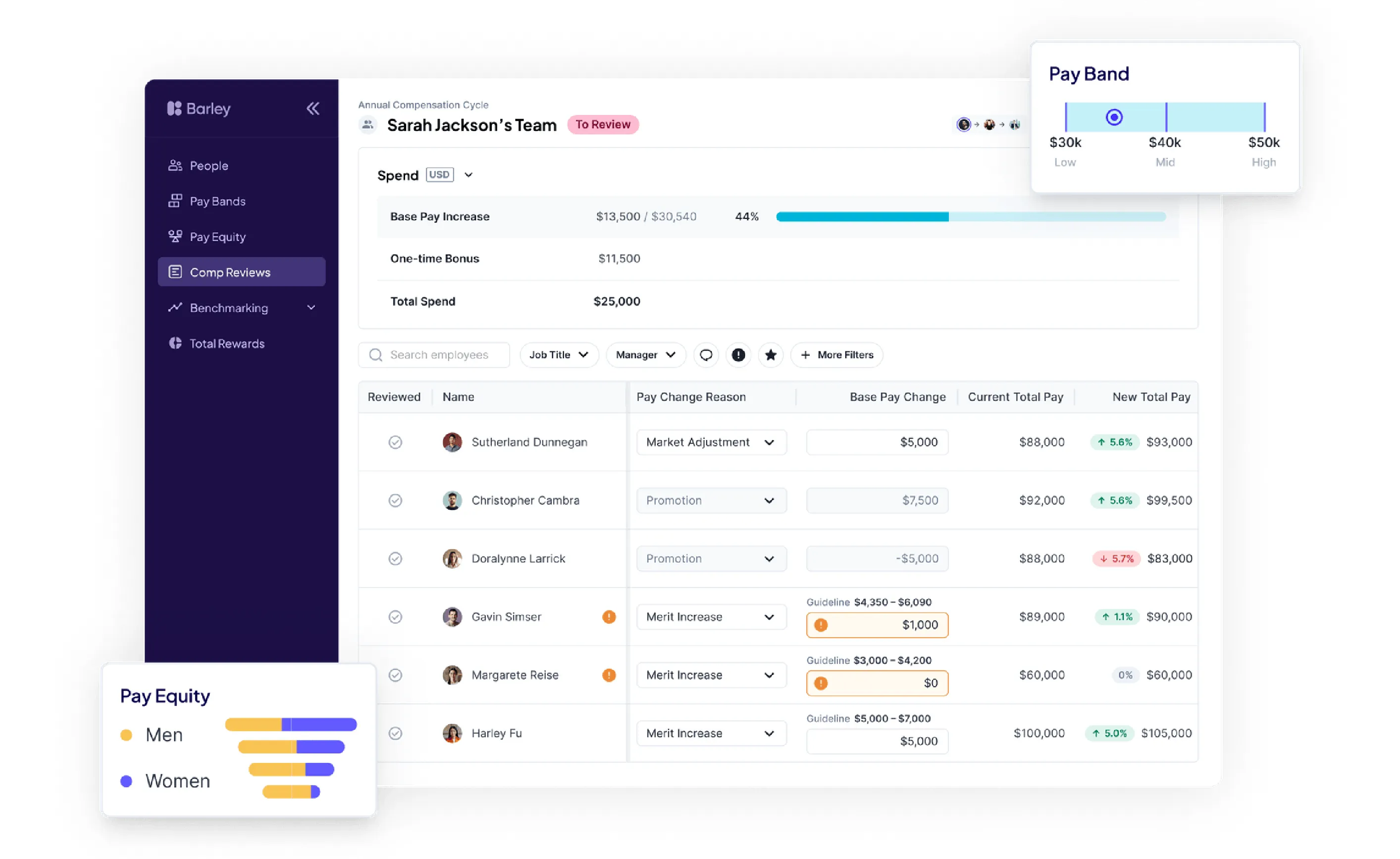
Barley is a pay equity analysis software that gives you real-time information about employee compensation. Its easy-to-use dashboard makes it fairly simple to structure and analyze payments. Barley's powerful analytics let HR teams make informed choices based on data, ensuring that pay is fair for everyone in every department.
Features of Barley:
- Smart compensation
- Proactive decisions
- Pay band management
- Compensation reviews
- Benchmarking tools
- Total rewards platform
Pros of Barley:
- Drag-and-drop for simplicity: It simplifies tasks by allowing users to easily organize and move elements with a simple drag-and-drop interface.
- Data-driven decisions: It provides actionable insights and real-time data to help users make informed decisions rapidly.
- Comprehensive tools: The platform offers a wide range of features to present data clearly through charts, graphs, and other visualization tools.
Cons of Barley:
- Outdated features: Some functionalities may not be as advanced as those offered by competitors, leading to inefficiencies.
Pricing of Barley:
- Our research did not reveal any publicly available pricing for Barley. To obtain pricing details, please reach out to their sales team.
Expert take:
Barley is ideal for mid-market and enterprise HR teams needing simple compensation analytics and pay band management. However, it's less suitable for small teams requiring extensive customization or clear pricing, which is currently unavailable.
2. Beqom Pay Equity
Beqom offers advanced tools to help close pay gaps and ensure they follow all global compensation rules. It works well with varied HR tools and gives you helpful information. Companies can keep things open and deal with pay gaps in a planned way with Beqom.
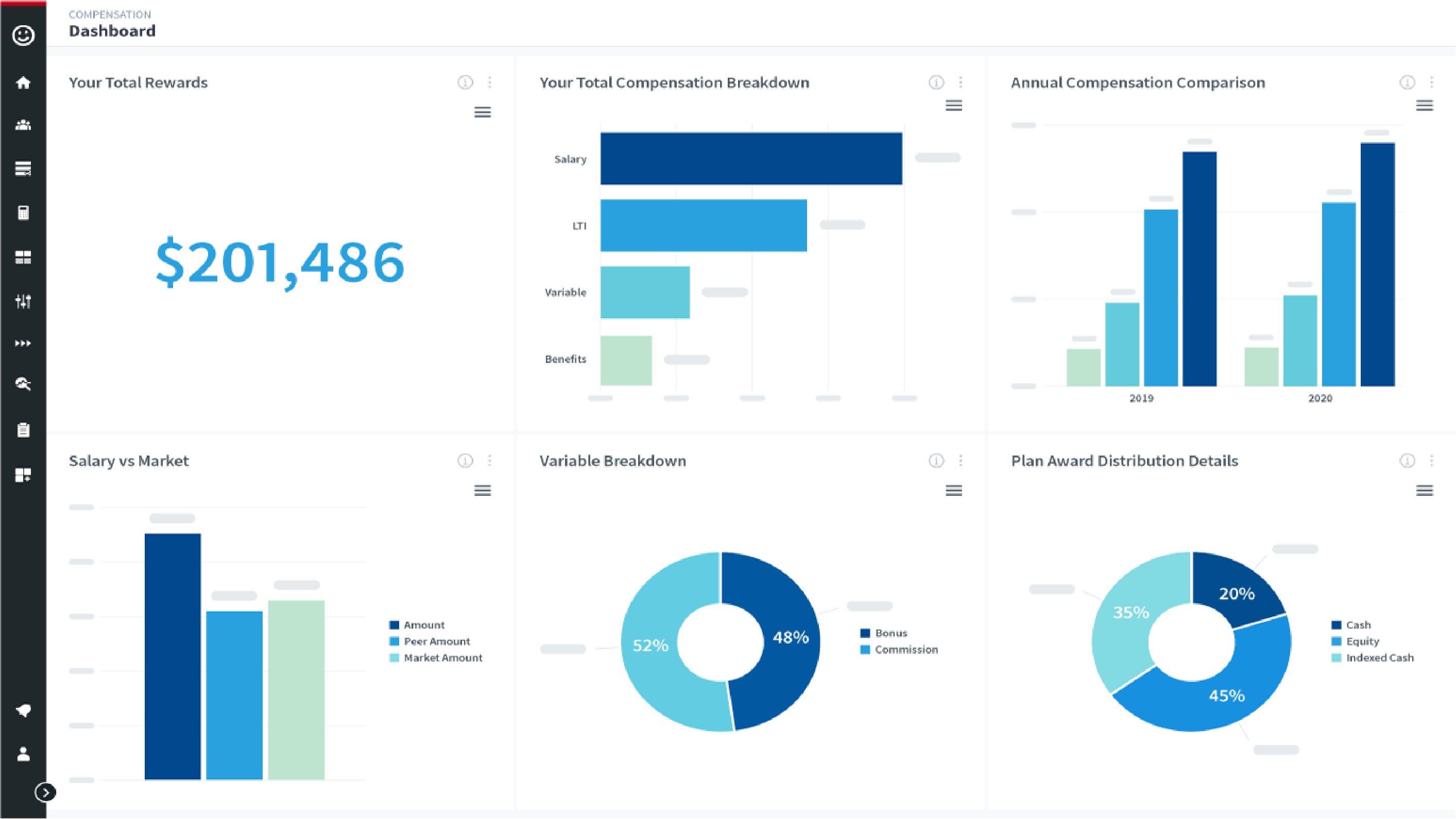
Features of Beqom:
- Advanced analytics
- Systemic approach
- Bias elimination
- Gap closure
- Inclusive compliance
Pros of Beqom:
- Global compliance features: It ensures adherence to international regulations and legal requirements, simplifying global operations.
- Comprehensive analytics tools: It provides advanced reporting capabilities for detailed analysis and deeper insights.
- Flexible for all-size businesses: It adapts to the needs of businesses of all sizes, from startups to large enterprises.
Cons of Beqom:
Learning curve for large businesses: Its setup process can be time-consuming and resource-intensive for larger organizations due to the scale of their operations.
Pricing of Beqom:
- Our research did not reveal any pricing details for Beqom. To obtain pricing information, please reach out to their sales team.
Expert take:
Beqom is ideal for global companies needing compensation governance and compliance. Its advanced analytics and pay controls suit large HR teams, but may overwhelm lean teams or startups due to the lengthy setup process.
3. Compport
Compport has tools for pay gap research and salary benchmarking based on data. Its data-driven approach makes the whole process of paying equity checks easier. With Compport, HR workers can get real-time data and insights that they can use to ensure a fair pay process.
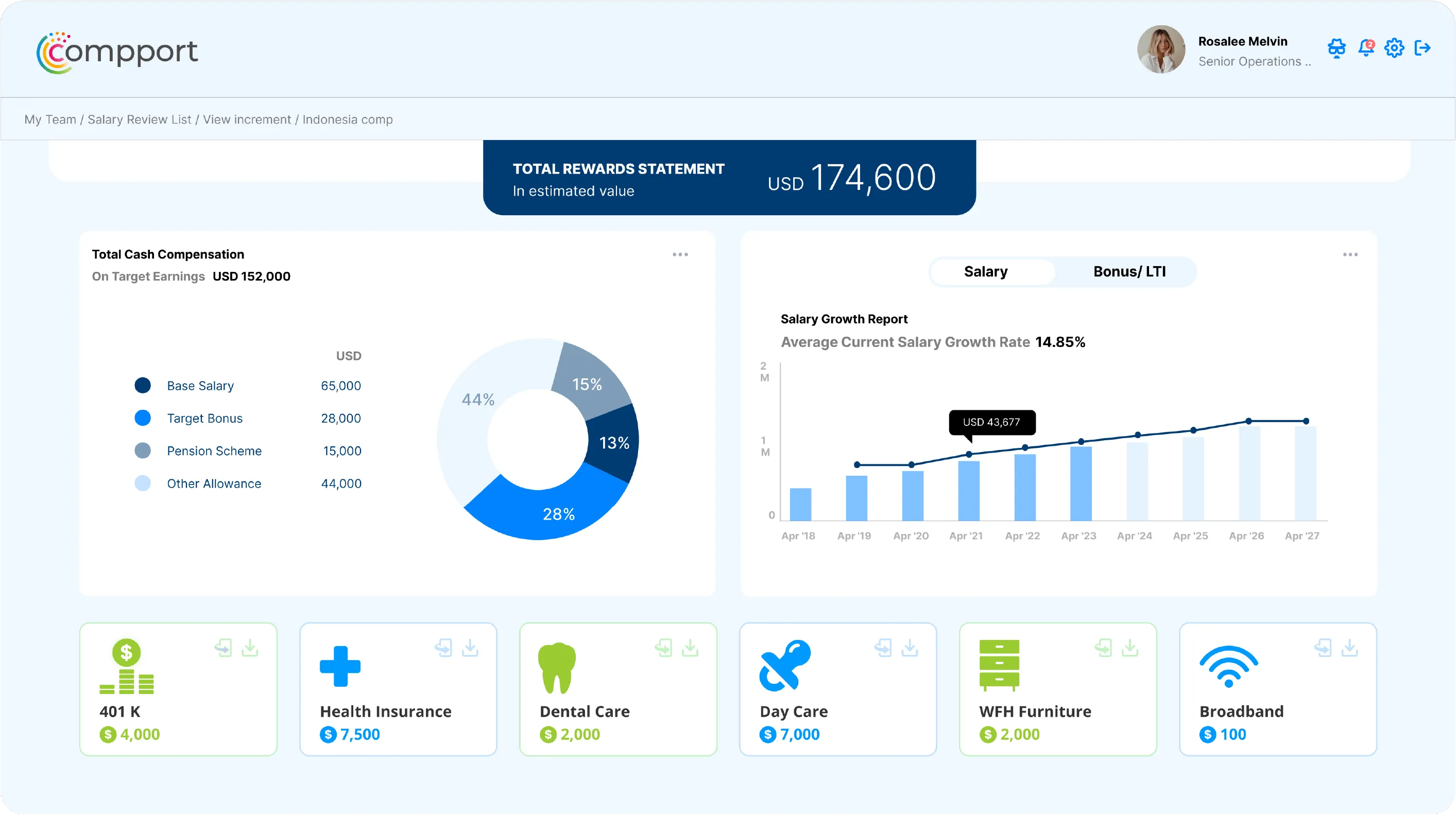
Features of Compport:
- Compensation bands
- Parameter-based design
- Internal benchmarking
- External benchmarks
- Anomaly detection
- Custom job creation
Pros of Compport:
- Customizable dashboards: It provides customizable dashboards that allow users to quickly adjust layouts and data displays based on their needs.
- Flexible for large businesses: It is adaptable to the needs of businesses of all sizes, from small startups to large enterprises.
- Additional payroll support: It expands integration capabilities by adding support for major payroll platforms, and streamlining payroll management.
Cons of Compport:
- Learning curve: The time and effort required for users to become proficient with the platform may be steep.
Pricing of Compport:
- We did not uncover any pricing information for Compport. However, a free trial is available, and for detailed pricing, you can contact their sales team directly.
Expert take:
Compport is a great option for organizations requiring salary benchmarking, compensation bands, and anomaly detection. However, it may not suit teams looking for a straightforward tool due to its learning curve.
4. EEOPay
Employers can use EEOPay by DCI Consulting to help them follow Equal Employment Opportunity (EEO) rules and fix pay gaps simultaneously. It gives comprehensive analytics in accordance with US law, which makes it an excellent choice for US companies.
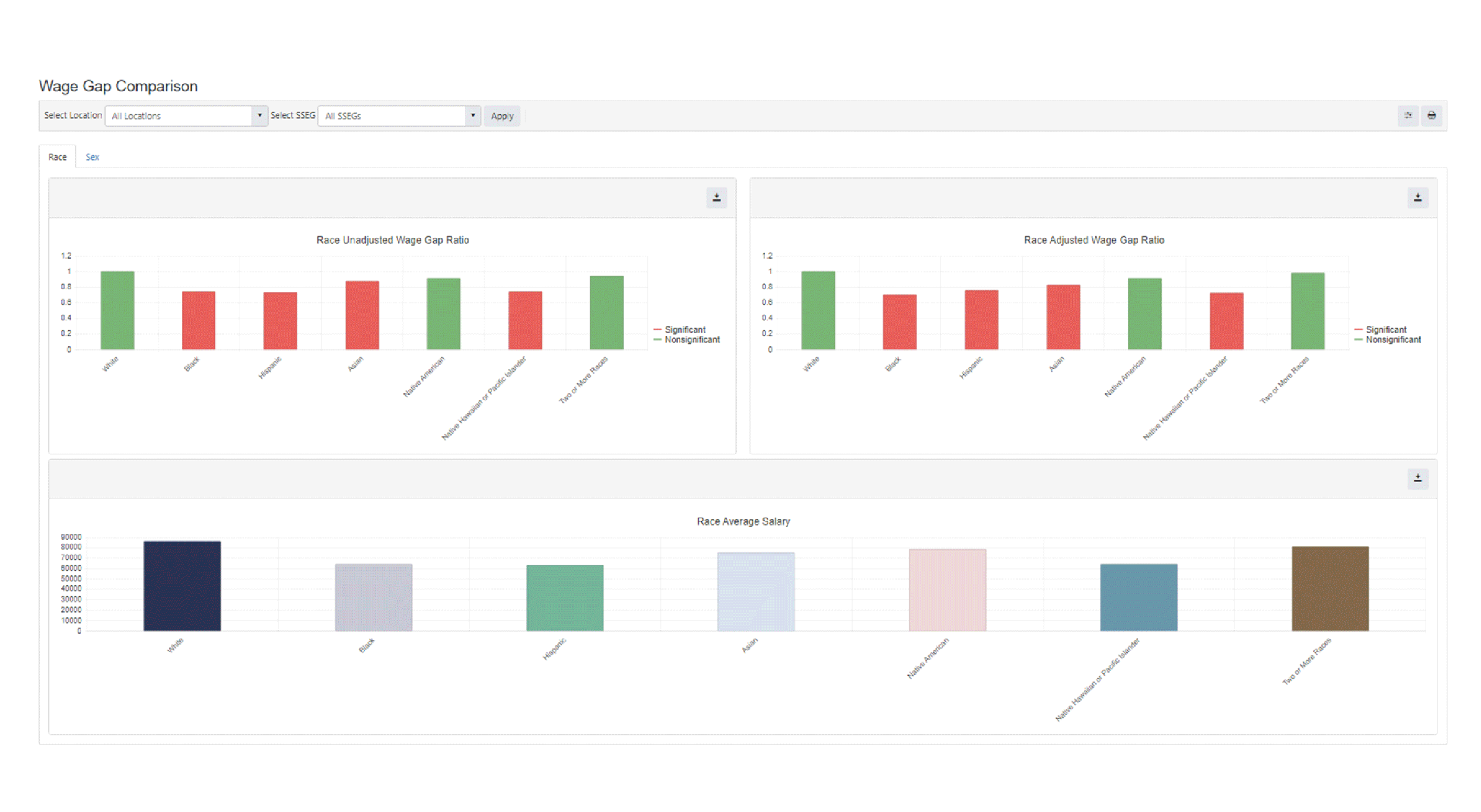
Features of EEOPay:
- Title VII analyses
- SSEGs development
- Pay equity roadmap
- Defensible analysis
- Actionable insights
Pros of EEOPay:
- Strong US compliance tools: The tool ensures compliance with US safety regulations through robust security and safety features.
- Detailed industry reports: It provides tailored reporting templates and tools designed for the specific needs of various industries.
- Great prices for SMEs: It offers affordable pricing plans tailored to the budget constraints of small and medium-sized enterprises.
Cons of EEOPay:
- Simple user design: Its design is more basic and less sophisticated than competitors, which may limit customization and advanced usability options.
Pricing of EEOPay:
- Our research did not reveal any pricing details for EEOPay. However, a free trial is available, and you can contact their sales team for pricing information.
Expert take:
EEOPay is designed for U.S. employers aiming to address pay gaps while meeting EEO and Title VII standards. It's ideal for smaller and mid-sized companies needing defensible analysis without extensive enterprise costs.
5. Parity Software
Equitable and inclusive measures are what Parity Software does best. It helps businesses find and fix pay gaps effectively. It uses predictive analytics to analyze future trends and keep the compensation practices in the organization fair.
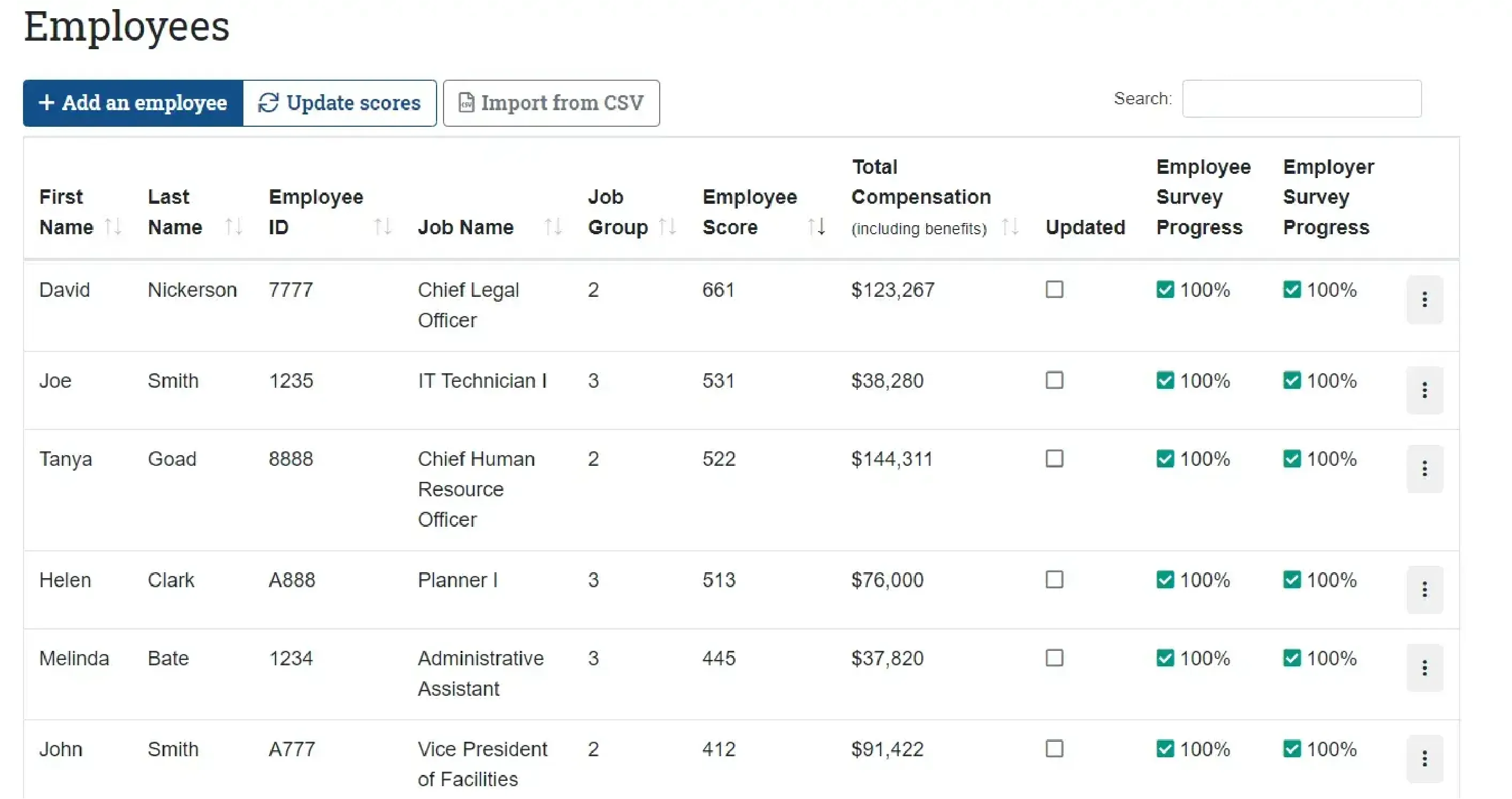
Features of Parity Software:
- Pay equality system
- Job description automation
- Comparable role grouping
- Salary gap analysis
- Strategic planning support
- Compliance assistance
- Equity-focused compensation
- Talent acquisition aid
Pros of Parity Software:
- Predict skill gaps: It leverages artificial intelligence to predict potential skill gaps or workforce shortages in the future.
- Worker focused research: It categorizes workers into specific groups to facilitate targeted analysis and in-depth research.
- Strong focus on DEI: It prioritizes diversity and inclusion by implementing strategies and tools that foster a varied workforce.
Cons of Parity Software:
- Limited customization options: Parity may not offer extensive flexibility to tailor features to unique business needs.
Pricing of Parity Software:
| Pricing | Monthly |
| Business | $150 |
| Company | $625 |
| Enterprise | $1000 |
Expert take:
Parity Software is ideal for DEI-focused teams seeking to link pay equity platforms with job structure and talent strategy. However, it may not suit enterprises needing extensive customization due to its limited options and accessible pricing.
6. Deel
Deel, an all-in-one HR app, offers a strong pay equity tool. It can handle salary and compliance management in more than 150 countries, including Argentina, America, and Brazil, making it perfect for businesses that work with people worldwide. Deel's flexibility ensures it follows all the different rules in each area.
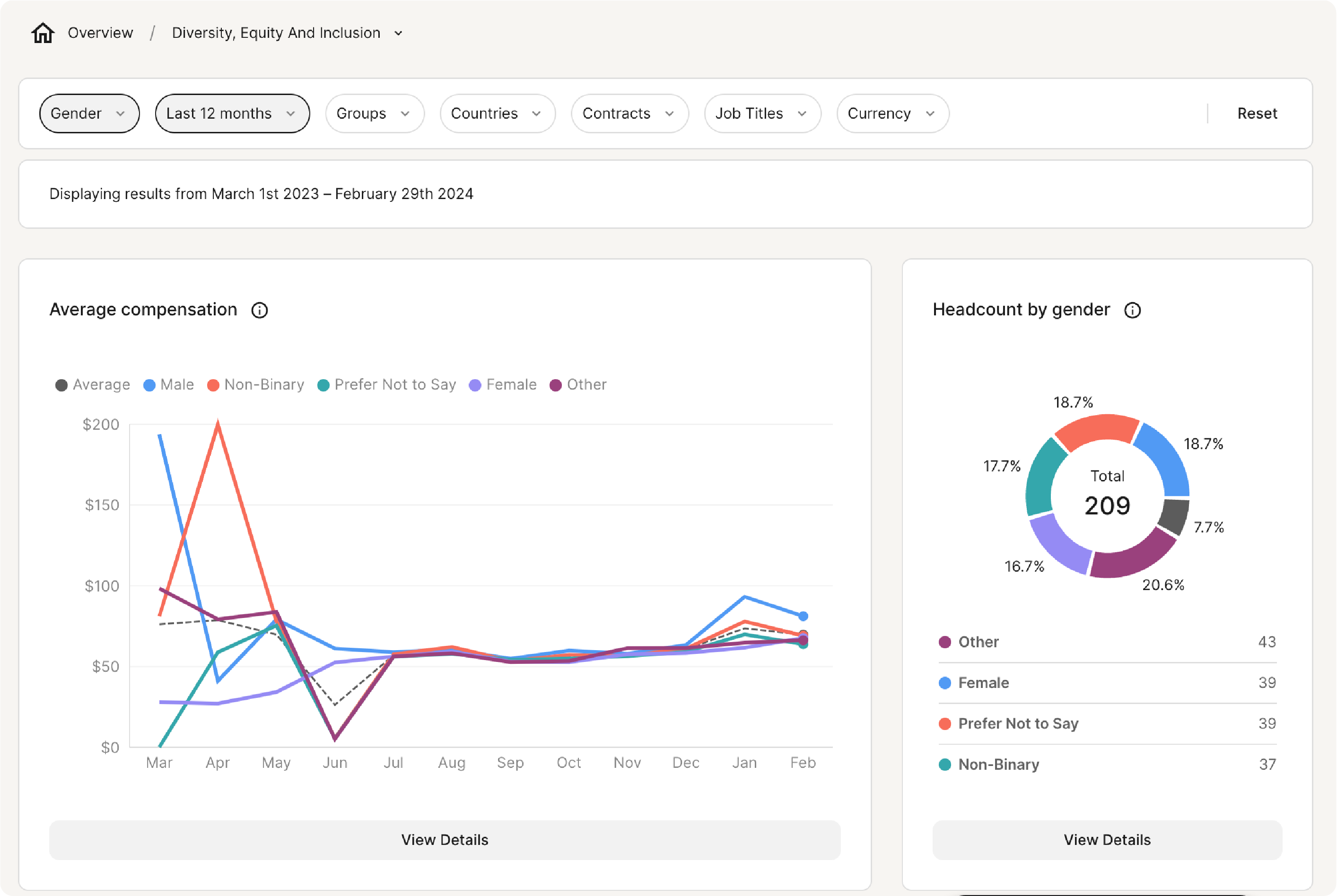
Features of Deel:
- Global Payroll
- Compliance solutions
- Contractor management
- Employee onboarding
- Tax automation
- Benefits administration
- Time tracking
- Expense management
Pros of Deel:
- Global reach: It offers the capability to expand operations worldwide, with tools that can adapt to different regions and requirements.
- Simplified use: It provides an easy-to-follow process for submitting applications, making it straightforward for users.
- Complete payroll management: It manages all aspects of payroll processing, from calculations to compliance, ensuring accurate and timely payments.
Cons of Deel:
- Higher price for small businesses: The pricing may be less favorable for smaller businesses, with costs potentially higher compared to larger organizations or competitors offering tailored plans.
Pricing of Deel:
| Pricing | Monthly |
| Deel Contractor | $49 |
| Deel EOR | $599 |
| Deel US PEO | $89 per employee |
Expert take:
Deel is ideal for remote-first companies and global startups managing workers in multiple countries. Its real value comes from integrating payroll, compliance, and compensation, making it less suitable for small local businesses needing only pay equity analysis.
7. CompUp
CompUp is a pay equity software that helps businesses identify and close wage gaps with precision. It uses automation and advanced analytics to assess compensation data, ensuring fair and compliant pay structures. With real-time insights and reporting, HR teams can make informed decisions and improve workplace equity.
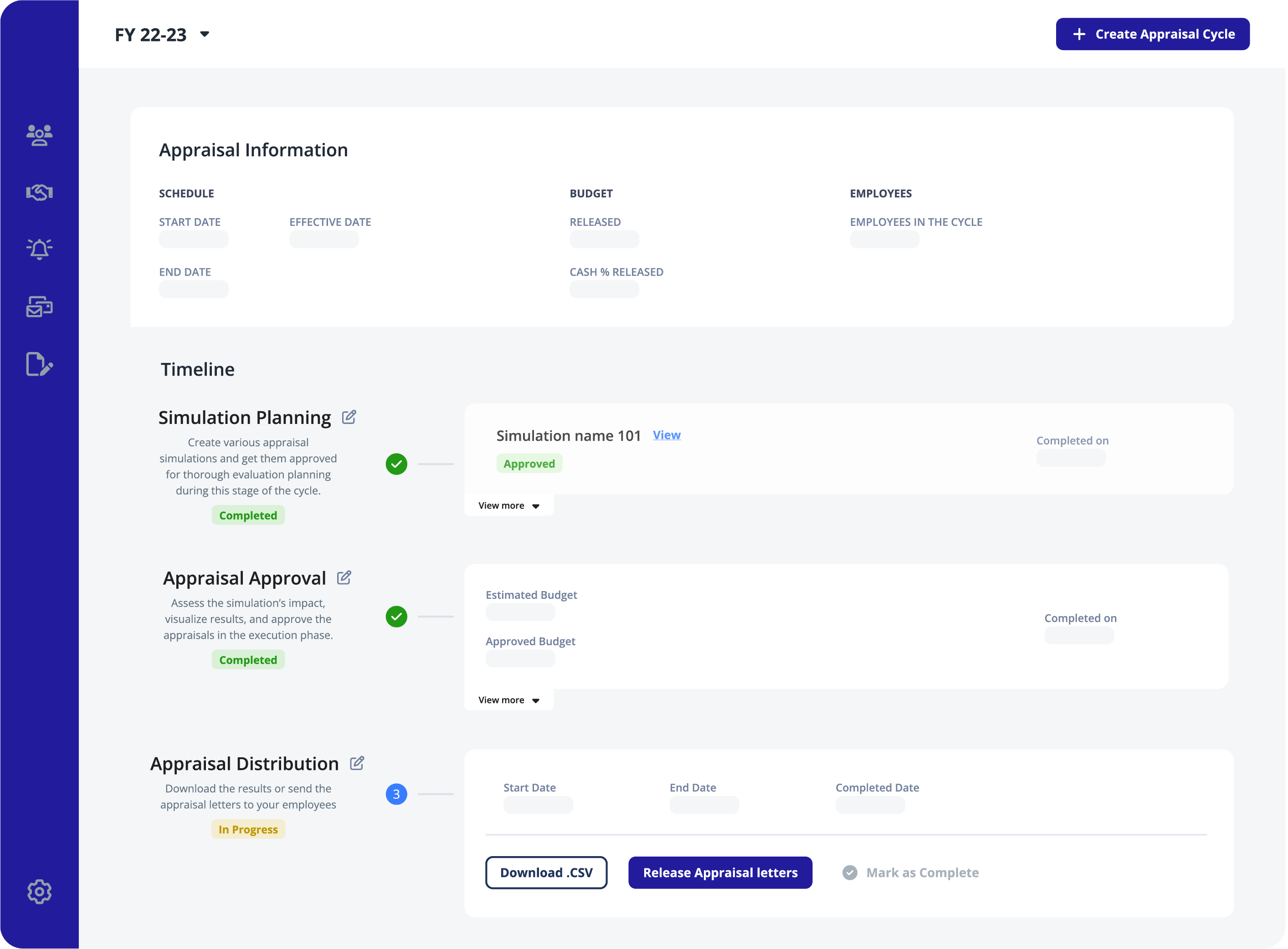
Features of CompUp:
- Compensation cycles
- Dynamic budgeting
- Market data integration
- Compensation reports
- Multi-currency support
- Personalized statements
Pros of CompUp:
- Real-time analytics: It provides instant access to data insights, enabling quick adjustments and informed decisions.
- Data management: It supports multiple data uploads simultaneously, streamlining the process of importing large datasets.
- Strong choices for integration: It offers robust options for merging different data sources, ensuring seamless integration and consistency.
Cons of CompUp:
- Weak support: Its customer service may be lacking in responsiveness or effectiveness, leading to longer resolution times or unsatisfactory assistance.
Pricing of CompUp:
While the pricing is undisclosed, some reviews indicate that it starts from $10 per year.
Expert take:
CompUp is ideal for expanding companies requiring compensation cycles, multi-currency support, and real-time pay insights. However, it may not suit teams needing robust vendor support, given concerns about customer service.
8. HRSoft
The main goal of HRSoft is to make pay management and pay gap research easier. The platform also provides detailed reporting features to help organizations track progress and stay transparent. HRSoft's user-friendly interface makes it simple for HR teams to implement and manage pay equity strategies effectively.
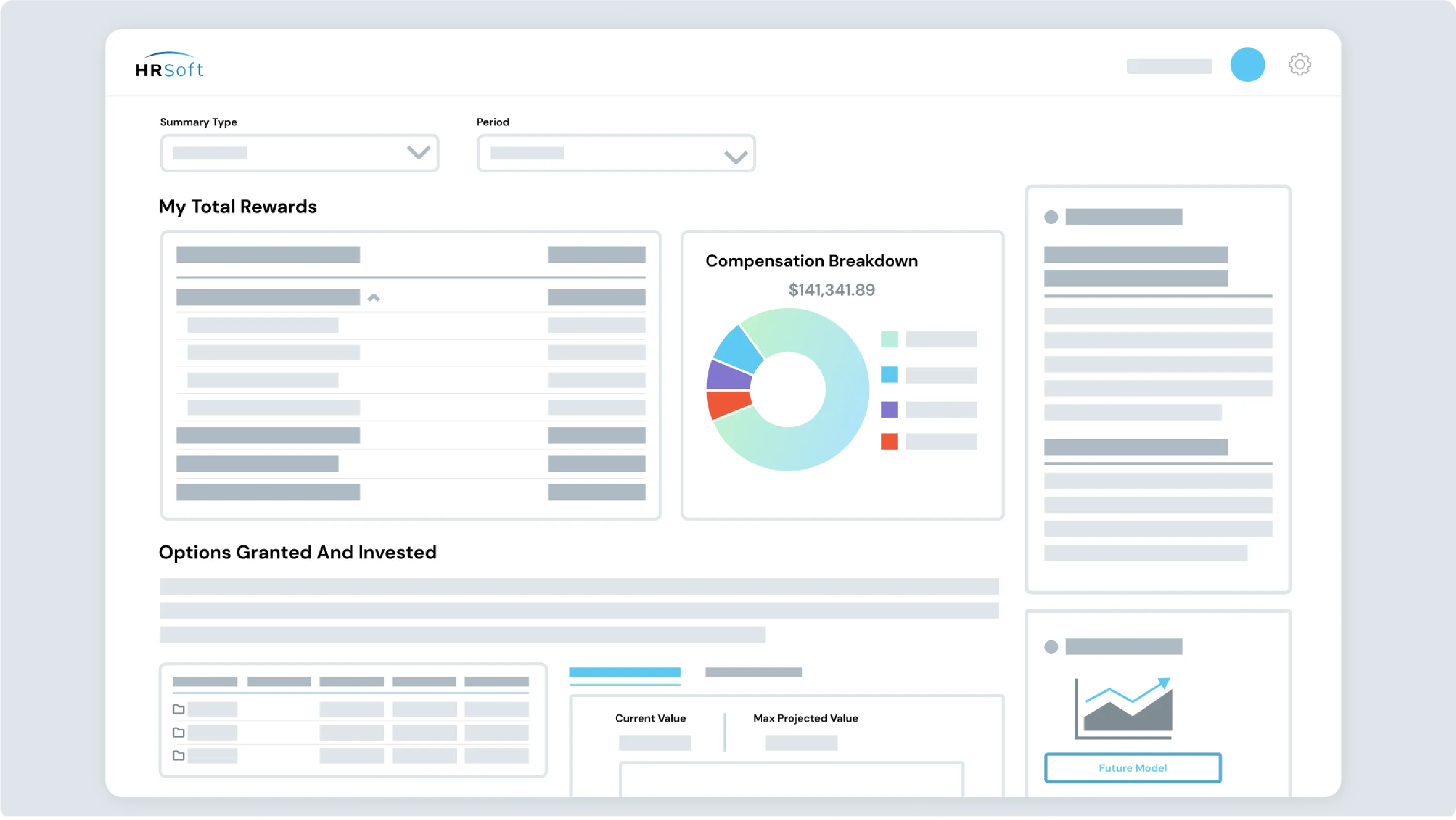
Features of HRSoft:
- Pay gap analysis
- Equity monitoring
- Regression insights
- Real-time equity
- Data synchronization
Pros of HRSoft:
- Offers budgeting tools: It includes built-in tools to help manage finances and plan budgets effectively.
- Easy for everyone to use: The tool is designed with simplicity in mind, making it accessible to users of all skill levels.
- Solutions for growing businesses: It offers scalable features that adapt and expand as your business grows and evolves.
Cons of HRSoft:
- No support for mobile apps: It lacks mobile application support, limiting access and functionality on smartphones and tablets.
Pricing of HRSoft:
- We couldn't find any pricing details for HRSoft in our research. For pricing information, please contact their sales team directly.
Expert take:
HRSoft is an excellent choice for SMB and mid-market teams seeking pay gap analysis and equity monitoring. However, it may not suit mobile-focused organizations, as it lacks mobile app support.
9. Syndio
Syndio is the market leader in statistics for pay equality. The platform provides real-time insights to promote fair compensation and compliance with labor regulations. It uses advanced analytics to identify pay disparities and recommend data-driven actions to close gaps. Syndio also supports ongoing monitoring to ensure sustained pay equity over time.
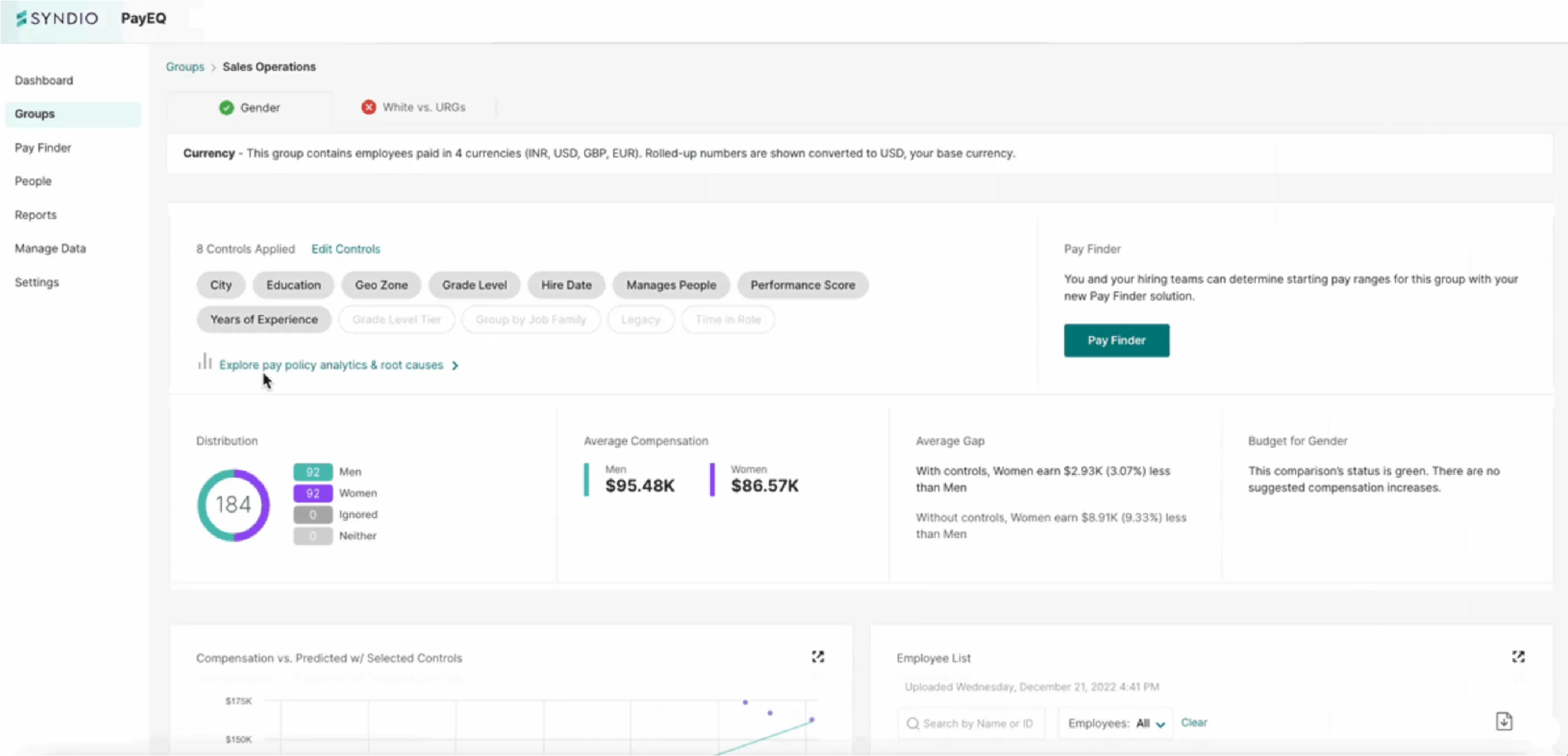
Features of Syndio:
- Pay transparency solutions
- Equity achievement
- Gap reporting analytics
- Scalable pay decisions
- Compliance guidance
- EU directive tools
- Policy alignment
- Cost-effective results
Pros of Syndio:
- Reputable: It is known for its expertise and innovation in the data industry, consistently setting standards.
- Excellent customer service: It provides high-quality support and resources to ensure users understand and can effectively use the platform.
- Constant upgrades: It continuously updates the system to ensure compliance with evolving regulations and industry standards.
Cons of Syndio:
- High cost for small businesses: The pricing structure may be prohibitive for smaller businesses with limited budgets.
Pricing of Syndio:
- Our research did not uncover detailed pricing for Syndio. However, a free trial is available, and the basic plan starts at $5 per user per month.
Expert take:
Syndio is ideal for large organizations requiring ongoing pay transparency and in-depth analytics. However, its high cost makes it unsuitable for smaller companies with limited budgets.
10. Mercer
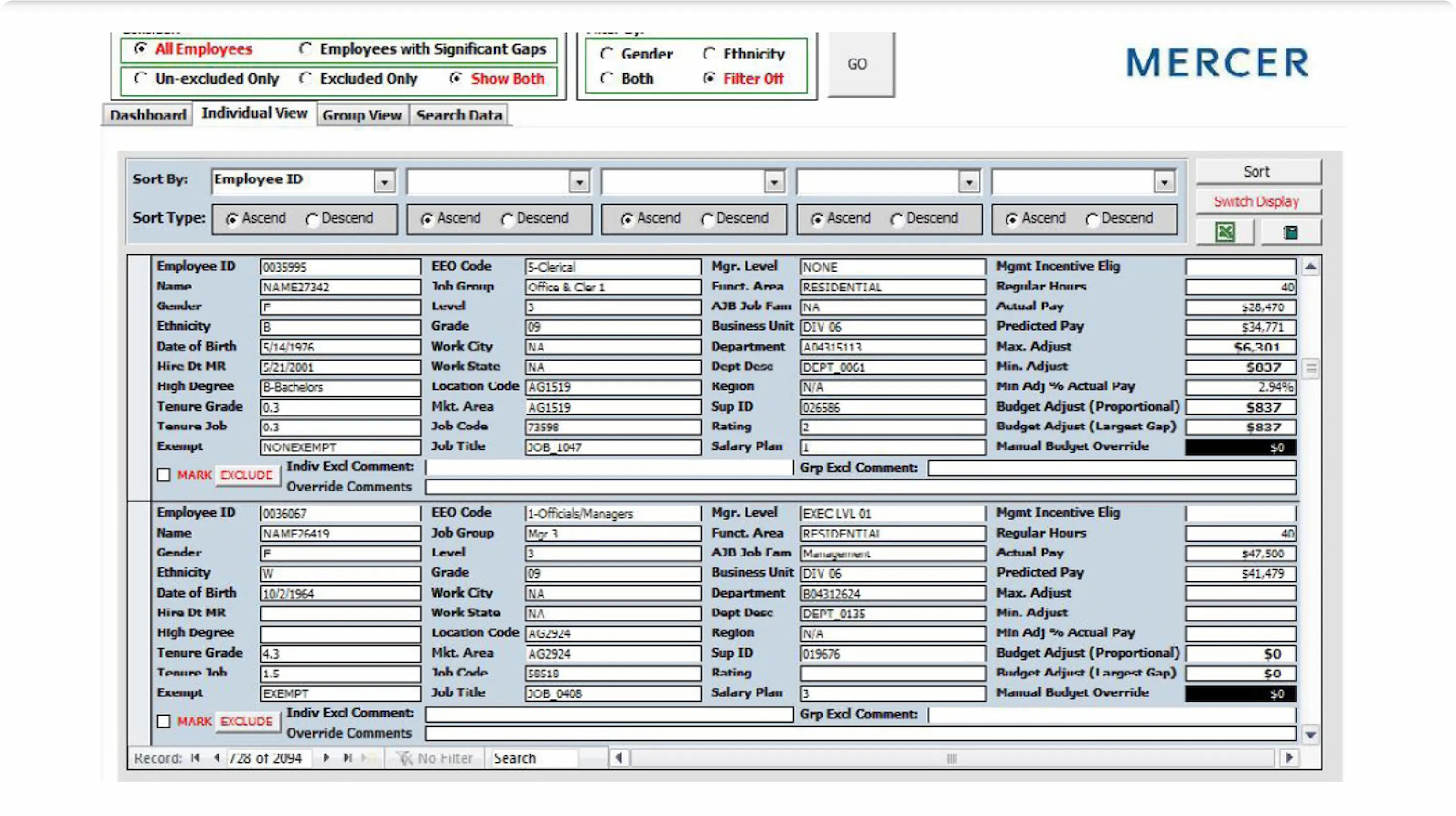
Mercer blends deep data insights with advanced tools to fix pay gaps. With its advising skills, Mercer ensures that companies not only fix pay gaps but also put plans for long-term fairness in place. Its comprehensive approach helps organizations develop sustainable strategies that foster equitable compensation practices.
Features of Mercer:
- Pay equity analysis
- Equal pay insights
- Unexplained pay gaps
- Equity by demographics
- Pay gap calculator
- Adjustment strategies
Pros of Mercer:
- Trustworthy: It is recognized as a reliable and reputable solution within the human resources industry.
- Multiple supplementary tools: It offers additional coaching or consulting tools to help users maximize the platform's effectiveness.
- Feature-rich: It provides adaptable features designed to address various business requirements and workflows.
Cons of Mercer:
- Lengthy onboarding: The onboarding and adaptation period may take a significant amount of time, requiring more effort to fully integrate and become familiar with the system.
Pricing of Mercer:
- We couldn't find specific pricing details for Mercer during our research. However, you can explore their free trial, and for exact pricing, reach out to their sales team.
Expert take:
Mercer is well-suited for large enterprises needing pay equity analytics and advisory support. However, it’s not ideal for teams seeking quick implementation or a self-service model due to its extensive onboarding process.
How Pay Equity Software Helps Resolve Pay Disparities?
Some of the most necessary ways Pay equity tools help streamline compensation issues, include:
- Identifying Pay Gaps: Pay equality tools help identify and close pay gaps through advanced data analysis.
- Fair Pay Ratings: Complex formulas are used to assess pay data, ensuring fairness in ratings and compensation.
- Revealing Hidden Disparities: Comparing salaries across departments and groups reveals hidden disparities.
- Ensuring Legal Compliance: Workplace equity software supports compliance by generating detailed reports aligned with legal requirements.
- Proactive Fairness: Predictive analytics detect trends, enabling proactive changes to maintain fairness.
- Informed Decision-Making: Real-time information is provided to HR teams for making fair and informed decisions.
How to Choose Best Pay Equity Software?
The best pay equity software should align with your compliance goals, integrate with existing HR systems, and provide actionable insights that support fair and data-driven compensation decisions:
1. Define Compliance Needs
Evaluate if a U.S.-specific solution or a global compensation platform suits your needs. Some tools emphasize EEO compliance, while others cater to international pay transparency and multi-country payroll. Let compliance shape your choice.
2. Evaluate Data Integrations
The software must integrate seamlessly with your HRIS, payroll, ATS, and compensation systems. This enhances accuracy and minimizes manual tasks. Key features include automated data syncing, benchmarking imports, multi-currency support, and centralized compensation reporting.
Look for automated data syncing, benchmarking imports, etc using tools like Zintego to streamline financial documentation and invoice management.
3. Assess Analytics Depth
Effective pay equity software should offer more than just salary visualization. Choose platforms featuring regression analysis, pay gap detection, predictive analytics, compensation modeling, and actionable insights to help HR address inequities swiftly.
4. Check User Experience
Compensation data is sensitive, making it essential for HR teams to have reliable, user-friendly software. Select tools with intuitive dashboards, clear workflows, explainable insights, and responsive support to boost adoption and ensure lasting use.
5. Compare Total Costs
Look beyond subscription fees to assess onboarding, implementation, consulting, and support costs. Some enterprise tools need extensive deployments, whereas others are quicker to set up. Choose a platform that fits your budget and team capacity.
Benefits of Pay Equity Software
Studies show that companies with pay equity are 25% more likely to attract top talent. Pay equity software helps organizations identify and close wage gaps, ensuring fair compensation and fostering a diverse workforce.
- Better Transparency: Builds trust by ensuring everyone in the organization gets paid fairly.
- More excellent Retention: Fair pay methods lead to happier, more loyal employees and a better work setting, which increases the number of people who stay with a company.
- Legal Compliance: Avoids the fines that come with not following the rules, which saves money and keeps a good image.
- Time Efficiency: It automates boring tasks, saving work hours and making administration more manageable.
- Decisions Based on Data: Gives us useful information that helps us make smart plans and run our businesses more efficiently.
- Reputation: Shows dedication to fairness and variety, drawing top talent and enhancing the brand's image.
Summary: Streamline Your Payroll & Compliance
Software for Pay equity is not only required by law, but it's also a smart move to make the workplace fairer and more trustworthy. The tools mentioned in the blog ensure that businesses are fair, follow changing compensation laws, and that their employees are happy.
With a comprehensive look at the features, pros, cons and pricing of the top pay equity software, we are sure you’ll be able to make a sound decision for your organization.
Frequently Asked Questions
1. What is the gender pay gap software?
Gender pay gap software is a tool that helps organizations find and fix wage gaps between different genders.
2. What is the difference between the pay gap and pay equity?
A pay gap is a difference in the average pay of workers. Pay fairness ensures everyone gets the same pay for the same work.
3. How does the equity pay tool work?
The equity pay tool analyzes the salary information, finds differences, and suggests ways to make pay fair.